Animals

Vanishing Acts: Unveiling the Intricate World of Animal Camouflage

Introduction:

In the intricate dance between predators and prey, one of nature’s most fascinating strategies emerges – the power of animal camouflage. From the rainforests to the deserts, this adaptation allows creatures to become masters of disguise, seamlessly blending into their surroundings. In this exploration, we delve into the captivating realm of animal camouflage, uncovering the evolutionary marvels that grant these creatures the ability to vanish in plain sight.

  1. Adaptations in Coloration: Blending In with Precision

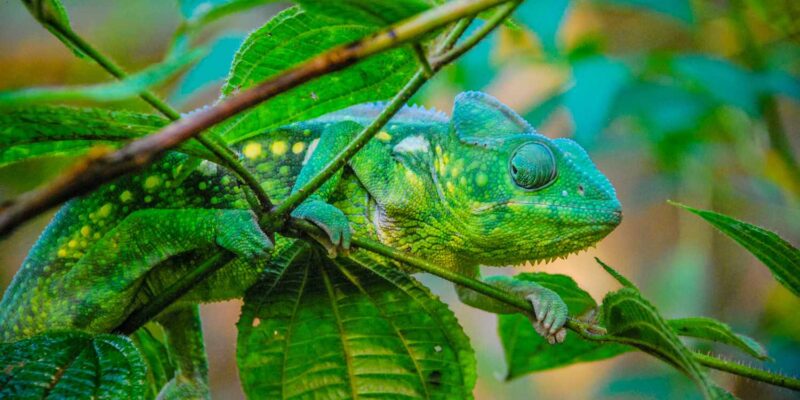
Animal camouflage often begins with the precise adaptation of coloration to match their surroundings. The chameleon, for instance, is renowned for its ability to change colors to match the environment. Similarly, the peppered moth demonstrates an evolution-driven adaptation, changing its color to match the tree bark during the Industrial Revolution to evade predators.

  1. Mimicry: Deceptive Artistry in Nature

Mimicry is a sophisticated form of camouflage wherein an animal imitates another object or organism to escape detection. The stick insect, with its twig-like appearance, is a classic example. Additionally, the owl butterfly’s eye-like patterns on its wings serve to deter predators by mimicking the eyes of a larger animal.

  1. Cryptic Patterns: Hiding in Plain Sight

Cryptic patterns involve the use of intricate designs and markings that break up an animal’s outline, making it challenging for predators or prey to distinguish its form. The leaf-tailed gecko, with its body resembling a dead leaf, and the peppered moth’s speckled wings are prime examples of how cryptic patterns aid in concealment.

  1. Behavioral Camouflage: Dynamic Adaptations in Motion

Some animals take camouflage to the next level by incorporating behavioral adaptations. The cuttlefish, for example, not only changes its color but also mimics the texture of its surroundings. This dynamic form of camouflage allows the cuttlefish to seamlessly blend into different environments, providing a remarkable defense against predators.

  1. Background Matching: Precision in Habitat Integration

Background matching involves animals aligning their coloration and patterns with specific elements in their habitat. The snowshoe hare, adapting its fur color to white during winter, exemplifies this strategy. By precisely matching the background, these animals gain a strategic advantage in avoiding detection by predators.

  1. Countershading: Mastering Light and Shadow

Countershading is a clever adaptation where animals have darker coloration on their upper side and lighter coloration on their lower side. This counters the effects of light and shadow, creating an optical illusion that flattens the animal’s appearance. The classic example is the tiger, whose coat helps it blend into the dappled sunlight and shadows of the forest floor.

Conclusion:

The world of animal camouflage is a testament to the extraordinary adaptability and ingenuity of life in the natural world. From the microscopic to the majestic, creatures have evolved an array of strategies to become nature’s master of disguise. As we unravel the secrets of animal camouflage, we gain a deeper appreciation for the intricate dance between predator and prey, highlighting the awe-inspiring ways in which creatures have evolved to vanish into the fabric of their environments.

What is your reaction?

Excited
0
Happy
0
In Love
0
Not Sure
0
Silly
0

You may also like

More in:Animals