 By Will Scot
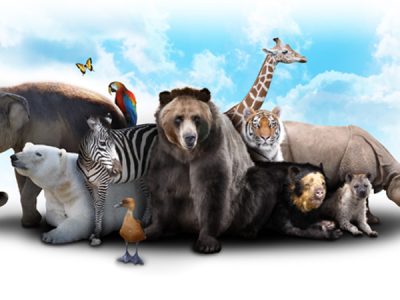
Animals are a cornerstone of Earth’s biodiversity, playing critical roles in ecosystems, human culture, and scientific research. The study of animals is not only about observing fascinating behaviors but also understanding their ecological importance, evolutionary history, and the complex relationships they share with humans and the environment. This article delves into the world of animals, offering detailed insights into their classification, behaviors, habitats, and conservation challenges.
The Classification of Animals
Animals are broadly classified into several categories based on their physiological characteristics, habitats, and evolutionary traits. Understanding these classifications helps in studying animal behavior, evolutionary biology, and ecological roles.
Vertebrates
Vertebrates are animals with a backbone or spinal column. They are among the most familiar animals due to their visibility in everyday life and cultural prominence. Vertebrates are divided into five major classes:
- Mammals: Warm-blooded animals with hair or fur and mammary glands for nursing young. Examples include elephants, whales, and humans. Mammals exhibit complex behaviors and social structures, making them a central focus in studies of intelligence and adaptation.
- Birds: Feathered, warm-blooded animals with the ability to fly (in most species). Birds display remarkable migration patterns and vocal communication. They play key roles in seed dispersal and pollination.
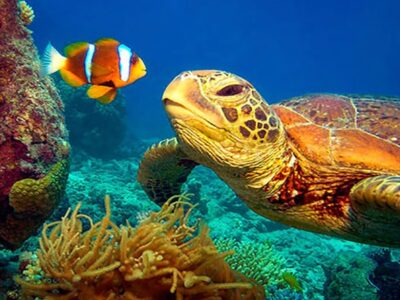
- Reptiles: Cold-blooded, scaly animals, including snakes, lizards, and turtles. Reptiles often adapt to extreme environments, displaying survival strategies that have evolved over millions of years.
- Amphibians: Animals that live both in water and on land during different life stages. Frogs, salamanders, and caecilians are examples. Amphibians are bioindicators, sensitive to environmental changes.
- Fish: Aquatic, gill-breathing vertebrates, including both freshwater and marine species. Fish are crucial to aquatic ecosystems and are primary sources of protein for millions of people worldwide.
Invertebrates
Invertebrates lack a backbone and represent over 95% of all known animal species. Their diversity is staggering, encompassing organisms ranging from microscopic protozoans to large cephalopods like squids and octopuses.
- Insects: The most diverse group of animals on Earth. Insects like bees, butterflies, and ants play essential roles in pollination, nutrient cycling, and as a food source for other animals.
- Arachnids: Includes spiders, scorpions, and ticks. These animals often serve as predators in ecosystems, controlling insect populations.
- Mollusks: Soft-bodied animals, often with a protective shell, including clams, snails, and octopuses. Mollusks contribute to marine and freshwater ecosystems as grazers, predators, and prey.
- Crustaceans: Aquatic animals such as crabs, lobsters, and shrimp. Crustaceans are integral to aquatic food chains and are significant in human consumption.
- Annelids: Segmented worms like earthworms and leeches. Earthworms, in particular, are vital for soil health and fertility.
Animal Behavior and Communication
Animal behavior is a complex field that explores how animals interact with each other, their environment, and humans. Observing behavior provides insights into survival strategies, social structures, and cognitive abilities.
Social Structures
Many animals form structured social systems to enhance survival and reproduction:
- Pack or herd living: Wolves, elephants, and bison live in groups that enhance protection from predators and improve foraging efficiency.
- Colony living: Ants, bees, and penguins form colonies where roles are divided among individuals to optimize survival.
- Mating and reproduction behaviors: Courtship rituals, nest building, and parental care vary widely across species and reflect evolutionary adaptations.
Communication Methods
Animals use diverse methods to communicate, both within species and across species boundaries:
- Vocalization: Birdsong, whale calls, and primate calls convey location, warnings, and mating signals.
- Chemical signals: Pheromones in ants and mammals communicate territory boundaries, reproductive readiness, and danger.
- Body language: Tail movement, posture, and facial expressions help animals signal aggression, submission, or attraction.
- Electroreception and echolocation: Specialized senses in some species, like dolphins and bats, allow navigation and hunting in challenging environments.
Habitats and Adaptations
Animals inhabit nearly every ecosystem on Earth, from dense tropical rainforests to arid deserts and deep ocean trenches. Each habitat imposes unique challenges, leading to specialized adaptations.
Terrestrial Adaptations
Land-dwelling animals have evolved to cope with gravity, temperature fluctuations, and resource scarcity:
- Camouflage: Leopards and chameleons use coloration to blend with their environment.
- Burrowing and climbing: Many species burrow for protection or climb to escape predators and access food.
- Thermoregulation: Animals like foxes and camels have developed fur density, fat layers, and behaviors to regulate body temperature.
Aquatic Adaptations
Aquatic animals exhibit adaptations for breathing, movement, and feeding in water:
- Gills and lungs: Fish have gills for oxygen extraction, while marine mammals retain lungs and develop diving adaptations.
- Hydrodynamic body shapes: Dolphins, sharks, and penguins have streamlined bodies for efficient movement.
- Sensory adaptations: Lateral lines in fish and echolocation in dolphins enhance environmental awareness.
Extreme Environments
Some animals thrive in harsh or extreme conditions:
- Deserts: Camels and fennec foxes survive with minimal water and high heat tolerance.
- Polar regions: Penguins, polar bears, and arctic foxes rely on insulating fur or fat to withstand freezing temperatures.
- Deep-sea ecosystems: Anglerfish and giant squids utilize bioluminescence and pressure-resistant physiology.
The Role of Animals in Ecosystems
Animals are indispensable for maintaining ecological balance. Their roles extend beyond being part of food chains to influencing entire ecosystem processes.
- Predators: Regulate prey populations, preventing overgrazing or overpopulation.
- Herbivores: Shape plant communities and disperse seeds, contributing to vegetation dynamics.
- Decomposers and detritivores: Earthworms, insects, and scavengers recycle nutrients, enriching the soil.
- Pollinators: Bees, birds, and bats ensure the reproduction of flowering plants, supporting biodiversity and agriculture.
Human Interaction with Animals
Humans have long shared a complex relationship with animals, spanning cultural, economic, and scientific dimensions.
Domestication
Domesticated animals provide food, labor, companionship, and cultural value:
- Pets: Dogs, cats, and birds enhance human emotional well-being.
- Livestock: Cattle, chickens, and sheep supply food products like meat, milk, and wool.
- Working animals: Horses, camels, and elephants assist in transportation and labor-intensive tasks.
Scientific Research
Animals contribute to advances in medicine, genetics, and behavioral studies:
- Biomedical research: Rodents, primates, and zebrafish are essential in disease modeling and drug testing.
- Behavioral studies: Observing primates, dolphins, and birds informs understanding of learning, cognition, and social interactions.
Conservation Challenges
Human activity poses significant threats to animal populations worldwide:
- Habitat loss: Deforestation, urbanization, and agriculture reduce the natural habitats of countless species.
- Climate change: Rising temperatures, ocean acidification, and extreme weather disrupt animal lifecycles and migration.
- Poaching and exploitation: Illegal hunting and trade threaten endangered species like rhinos and tigers.
- Pollution: Plastic, chemicals, and noise pollution affect terrestrial and aquatic species.
Conservation strategies involve habitat protection, anti-poaching initiatives, breeding programs, and international agreements to preserve biodiversity.
Fascinating Examples of Animal Intelligence
Animals demonstrate intelligence in ways that are often surprising:
- Tool use: Crows, primates, and octopuses use tools to access food or solve problems.
- Problem-solving: Dolphins and elephants exhibit planning and learning from experience.
- Emotional intelligence: Many mammals, including dogs and elephants, show empathy, grief, and social bonding.
FAQ About Animals
What are the fastest land animals?
Cheetahs are the fastest, capable of reaching speeds up to 75 mph in short bursts. Other fast runners include pronghorns and lions.
Why do some animals migrate?
Migration occurs to find food, reproduce, or avoid harsh environmental conditions. Birds, whales, and wildebeests are classic examples of migratory species.
How do animals adapt to extreme environments?
Adaptations include physical changes like insulation or body fat, behavioral changes like nocturnal activity, and physiological mechanisms such as water retention or pressure resistance.
Are all animals social?
No, social structures vary widely. Some species are solitary, like tigers and many reptiles, while others form complex societies, such as ants and elephants.
Why is animal conservation important?
Conservation maintains ecosystem stability, ensures biodiversity, and preserves species that are essential for human survival and scientific study.
How do animals communicate with each other?
Animals communicate using vocalizations, chemical signals, body language, electrical signals, or a combination depending on the species and environmental needs.
What role do animals play in agriculture?
Animals contribute to agriculture through pollination, pest control, soil aeration, and as sources of food and materials like milk, wool, and meat.
Understanding animals in all their diversity is crucial not only for appreciating nature but also for fostering coexistence and ensuring the long-term health of our planet. Their behavior, adaptability, and ecological importance make them subjects of endless fascination and study.
This detailed exploration of animals highlights their complexity, significance, and the pressing need for conservation in the modern world.