
 By Will Scot
Pet food plays a crucial role in maintaining the health, longevity, and overall well-being of pets. Proper nutrition is essential for growth, immune system function, cognitive development, and energy. Choosing the right pet food involves understanding your pet’s species, age, activity level, and health conditions. This article delves into the complexities of pet food, exploring types, nutritional requirements, feeding practices, and tips for selecting the best options for your companion animals.
Understanding the Importance of Pet Food
The quality of pet food directly impacts a pet’s health, behavior, and lifespan. Poor nutrition can lead to obesity, dental problems, digestive disorders, weakened immunity, and reduced energy levels. Conversely, a well-balanced diet supports optimal organ function, shiny coats, strong muscles, and mental acuity. Pet food is formulated to meet the specific physiological and dietary needs of various species, ensuring they receive the right balance of nutrients.
Why Quality Pet Food Matters
- Health maintenance: Provides essential nutrients required for growth, repair, and energy.
- Disease prevention: Proper nutrition can help prevent obesity, diabetes, kidney disease, and other chronic conditions.
- Behavioral benefits: Nutritional deficiencies may lead to irritability, anxiety, or hyperactivity in pets.
- Enhanced longevity: Balanced diets contribute to longer, healthier lives.
Types of Pet Food
Pet food comes in various forms, each with unique advantages and considerations. Understanding the types can help pet owners select the best option for their companion animals.
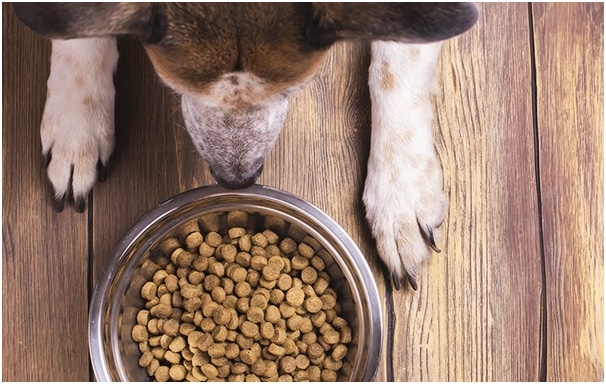
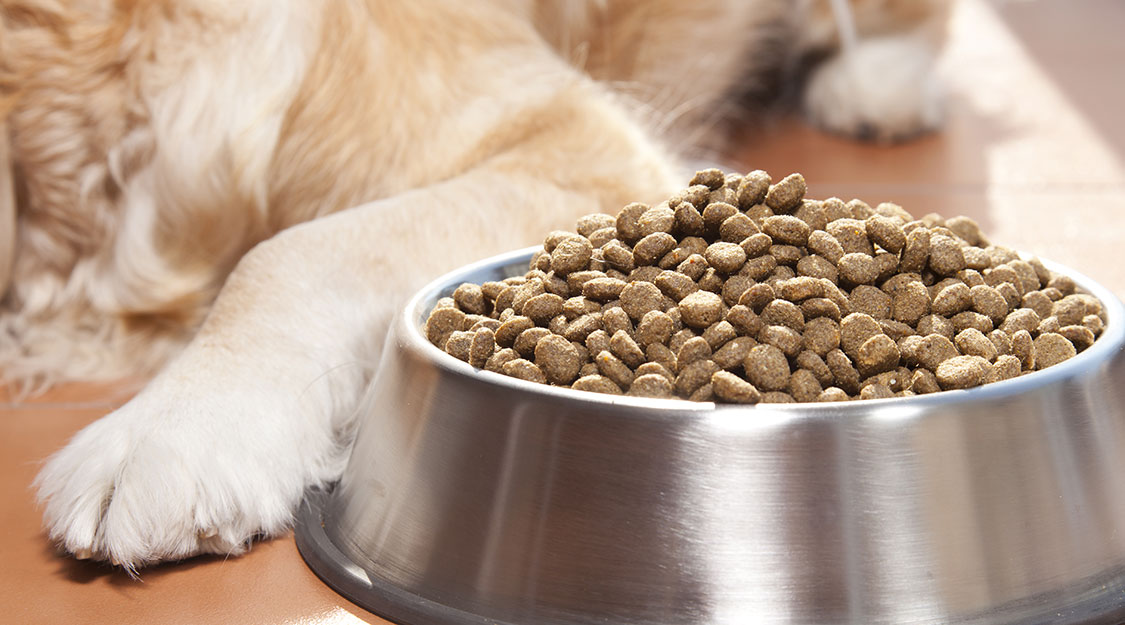
Dry Food (Kibble)
Dry food is one of the most popular forms due to its convenience and shelf stability.
- Benefits: Easy to store, cost-effective, and can help reduce plaque and tartar buildup in teeth.
- Considerations: Ensure the kibble is species-specific and contains high-quality protein, fats, and fiber.
- Best for: Dogs and cats that require a nutritionally complete, low-moisture diet.
Wet Food (Canned Food)
Wet food contains higher moisture content, making it beneficial for hydration and palatability.
- Benefits: Highly palatable, supports hydration, and is ideal for pets with dental issues or reduced appetite.
- Considerations: Can be more expensive than dry food and has a shorter shelf life once opened.
- Best for: Cats, older dogs, and pets with urinary tract concerns or picky eating habits.
Semi-Moist Food
Semi-moist pet foods are soft, chewy, and usually pre-portioned.
- Benefits: Convenient and appealing to pets.
- Considerations: Often contains higher sugar and sodium levels, making it unsuitable for long-term exclusive feeding.
- Best for: Treats, temporary feeding, or as a dietary supplement.
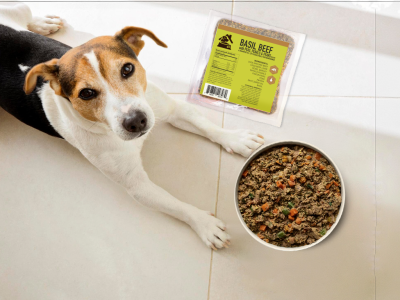
Raw and Homemade Diets
Raw or home-prepared diets are increasingly popular among pet owners seeking natural, minimally processed foods.
- Benefits: Control over ingredients, potentially higher digestibility, and minimal additives.
- Considerations: Requires careful planning to avoid nutritional deficiencies, foodborne pathogens, or imbalanced ratios of protein, fats, and vitamins.
- Best for: Owners experienced in pet nutrition who can ensure a complete, balanced diet.
Specialized Diets
Pets with specific health conditions often require tailored diets.
- Prescription diets: For managing kidney disease, diabetes, or gastrointestinal issues.
- Weight management diets: Lower calorie options for overweight or sedentary pets.
- Allergy-friendly diets: Limited ingredient or novel protein formulas for pets with food sensitivities.
Nutritional Requirements of Pets
Different species have distinct dietary needs. Understanding these requirements is essential to selecting appropriate pet food.
Dogs
Dogs are omnivores, requiring a balance of protein, fats, carbohydrates, vitamins, and minerals.
- Protein: Essential for muscle growth and repair; sources include chicken, beef, lamb, and fish.
- Fats: Provide energy, support coat health, and facilitate absorption of fat-soluble vitamins.
- Carbohydrates: Serve as an energy source and provide fiber for digestion.
- Vitamins and minerals: Critical for bone health, immune function, and overall metabolism.
Cats
Cats are obligate carnivores, requiring nutrients found primarily in animal tissue.
- Taurine: An essential amino acid necessary for heart and eye health.
- Arachidonic acid: Supports skin and coat health.
- Vitamin A: Cats cannot convert beta-carotene from plants and must obtain vitamin A from animal sources.
- Protein and fat: Provide primary energy sources and maintain lean body mass.
Birds, Small Mammals, and Reptiles
- Birds: Require a mix of seeds, pellets, fruits, vegetables, and occasional protein sources.
- Small mammals: Rabbits, guinea pigs, and ferrets have species-specific diets emphasizing fiber or protein.
- Reptiles: Diet varies widely; some need live prey, others require vegetables or commercial reptile pellets.
Feeding Practices for Optimal Health
Proper feeding routines are critical to ensure pets receive adequate nutrition without overeating or malnutrition.
Portion Control
- Follow feeding guidelines based on weight, age, and activity level.
- Adjust portions gradually based on body condition and veterinary advice.
Meal Frequency
- Puppies and kittens: 3-4 meals per day to support growth.
- Adult pets: Typically 1-2 meals per day, depending on species and lifestyle.
- Senior pets: Smaller, more frequent meals may improve digestion and reduce gastrointestinal discomfort.
Hydration
- Provide clean, fresh water at all times, particularly for pets on dry food diets.
- Monitor water intake for changes that could indicate health issues.
Monitoring and Adjustments
- Regularly assess body condition, coat quality, and energy levels.
- Modify diets based on life stage, health status, or changes in activity.
Common Challenges in Pet Food Selection
Choosing the right pet food can be challenging due to the variety of options and marketing claims.
- Ingredient quality: Look for named protein sources rather than vague terms like “meat by-products.”
- Additives and preservatives: Prefer natural preservatives and avoid excessive artificial colors or flavors.
- Special needs: Pets with allergies, obesity, or medical conditions require veterinary guidance for diet selection.
- Brand transparency: Ensure the manufacturer adheres to safety standards and provides clear nutritional information.
The Role of Veterinary Guidance
Consulting a veterinarian is essential for selecting the best pet food and adjusting diets over time.
- Nutritional assessment: Veterinarians can determine species-specific requirements, caloric needs, and supplement needs.
- Medical conditions: Pets with kidney disease, diabetes, or gastrointestinal issues may require prescription diets.
- Life-stage nutrition: Puppies, kittens, and senior pets have distinct dietary needs that veterinarians can help manage.
Real-Life Tips for Responsible Pet Food Practices
- Gradually transition to new foods to avoid gastrointestinal upset.
- Store dry food in airtight containers to preserve freshness and prevent contamination.
- Avoid feeding pets table scraps that can disrupt nutritional balance or cause obesity.
- Observe pets’ reactions to new diets and consult a vet if appetite, weight, or behavior changes.
FAQ About Pet Food
What is the difference between dry and wet pet food?
Dry food is convenient, cost-effective, and helps reduce dental plaque, while wet food provides hydration and is more palatable, particularly for picky eaters or pets with dental issues.
Can pets eat human food safely?
Some foods like plain cooked meat, vegetables, or rice can be safe, but chocolate, onions, grapes, and artificial sweeteners are toxic to many pets.
How do I know if my pet’s diet is balanced?
Check for a complete and balanced label, monitor body condition, coat quality, energy levels, and consult a veterinarian for tailored advice.
Is it necessary to change pet food as pets age?
Yes, nutritional needs change with life stage. Puppies, kittens, adults, and seniors require different protein levels, calories, and micronutrients.
What are common signs of poor nutrition in pets?
Symptoms include lethargy, dull coat, excessive weight gain or loss, digestive issues, and behavioral changes.
Are specialized diets really necessary?
Specialized diets are essential for pets with medical conditions, allergies, or obesity. Prescription or limited-ingredient formulas ensure nutrient balance and disease management.
How can I transition my pet to a new food safely?
Gradually mix the new food with the current diet over 7-10 days, increasing the new food portion while monitoring for digestive upset or refusal to eat.
High-quality pet food, combined with attentive feeding practices, is fundamental for maintaining health, vitality, and longevity in pets. By understanding nutritional requirements, selecting appropriate food types, and monitoring your pet’s response, owners can ensure their companions thrive physically and emotionally.