 By Will Scot
If you share your life with a cat, you’ve probably experienced the rhythmic pushing of soft paws against your lap, a blanket, or a pillow. This behavior—often called kneading or “making biscuits”—may look adorable, but it also carries deep behavioral meaning. Understanding why cats knead reveals a lot about their instincts, emotions, and sense of comfort.
What Is Kneading in Cats?
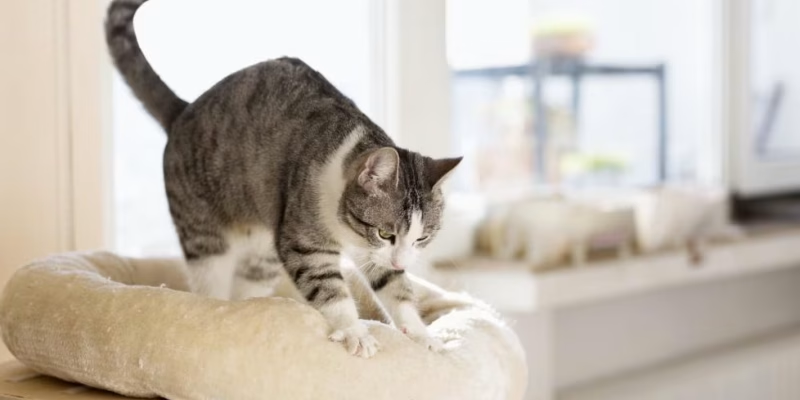
Kneading is a repetitive motion where cats push their front paws alternately against a soft surface. Sometimes claws are extended, sometimes not. Many cats purr, drool slightly, or appear half-asleep while kneading.
This behavior is completely normal and begins very early in a cat’s life.
The Instinctive Roots of Kneading
A Behavior Learned in Kittenhood
Kneading originates when kittens nurse from their mother. Pressing their paws against the mother’s belly helps stimulate milk flow. This early association links kneading with comfort, warmth, and security, which is why many adult cats continue the behavior long after weaning.
Even though it’s no longer necessary, the instinct often remains for life.
Kneading as a Sign of Comfort and Safety
One of the most common reasons cats knead is simple: they feel safe.
When a cat kneads:
- They are relaxed and content
- They trust their environment
- They associate the moment with calmness
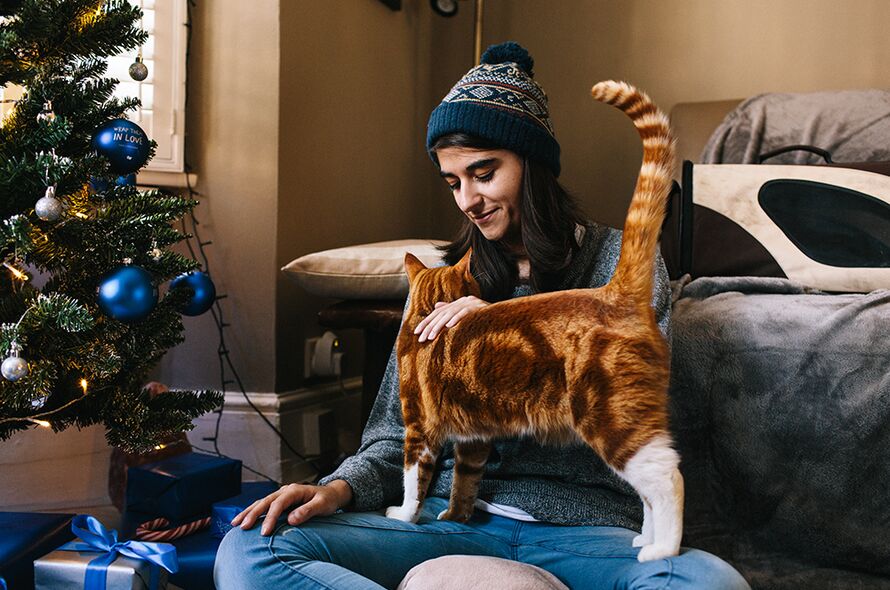
If your cat kneads on you, it’s a strong sign of emotional comfort. You are part of their safe space.
Emotional Attachment and Bonding
Cats don’t express affection the same way humans do, but kneading is one of their clearest emotional signals.
What Kneading Says About Your Relationship
- You are trusted
- You are viewed as a source of security
- The cat feels emotionally bonded
Some cats knead only specific people or objects, which often reflects a personal emotional attachment.
Scent Marking and Territory
Cats have scent glands in their paw pads. When they knead, they release subtle pheromones that mark territory.
This means kneading can also be a way of saying:
- “This is mine”
- “I belong here”
- “This place feels safe and familiar”
It’s not possessiveness in a negative sense—it’s reassurance through scent.
Preparing a Comfortable Resting Spot
In the wild, kneading served a practical purpose. Cats would press down grass or leaves to create a soft, safe sleeping area.
Modern cats still carry this instinct, which is why kneading often happens:
- Before sleeping
- On soft blankets or beds
- During relaxed, sleepy moments
The behavior helps them settle in and feel secure.
Why Some Cats Use Claws While Kneading
Not all cats knead the same way. Some extend their claws, while others keep them tucked in.
This variation depends on:
- Individual temperament
- How relaxed the cat feels
- Early kitten experiences
Clawed kneading doesn’t mean aggression—it simply reflects instinct and comfort levels.
When Kneading Might Signal Something Else
While kneading is usually positive, context matters.
Situations to Pay Attention To
- Excessive kneading paired with anxiety
- Sudden changes in kneading behavior
- Kneading combined with restlessness or vocalization
In rare cases, changes in behavior may relate to stress or environmental shifts rather than comfort.
Should You Stop a Cat From Kneading?
In most cases, no. Kneading is a healthy, natural behavior. If claws become uncomfortable, gentle solutions work best.
Practical Tips
- Place a thick blanket between you and your cat
- Keep nails trimmed regularly
- Redirect kneading to a soft surface
Avoid punishment, as it can damage trust and increase stress.
Conclusion
Kneading is one of the most instinctive and emotionally rich behaviors cats display. Rooted in kittenhood and reinforced by comfort, trust, and security, it’s a clear sign that a cat feels safe and content. When a cat kneads, it’s not just a habit—it’s a quiet expression of connection and well-being.
Frequently Asked Questions (FAQs)
1. Do all cats knead?
No. While common, not every cat kneads. Personality, upbringing, and early experiences all play a role.
2. Why does my cat knead only one specific blanket?
Cats often choose objects that feel, smell, or emotionally resemble early comfort experiences.
3. Can kneading indicate happiness?
Yes. Kneading is strongly associated with relaxation, contentment, and emotional safety.
4. Why does my cat drool while kneading?
Some cats drool when deeply relaxed, often because kneading triggers kittenhood memories.
5. Is kneading more common in indoor cats?
Indoor cats may knead more often because they use soft surfaces like blankets and cushions more frequently.
6. Does kneading change as cats age?
Yes. Some cats knead less with age, while others continue throughout their lives.
7. Can stress reduce kneading behavior?
Yes. Stressful environments or routine changes can temporarily suppress comfort-based behaviors like kneading.