 By Will Scot
Search for arthritis remedies for dogs and you’ll drown in options. Pills and powders all promise the same easy, pain-free walk. The truth is less tidy: canine osteoarthritis has no cure, so the job is to weigh the trade-offs and build a mix that keeps your dog moving with less pain.
Get a diagnosis before you compare anything
Radiographic signs show up in up to 65% of dogs past age seven, though many don’t limp (Journal of the American Veterinary Medical Association). That gap matters. An x-ray can look rough while the dog still chases a ball, and pain can be real before changes look severe on film. You can’t judge a treatment by its advertising when you don’t yet know what’s wrong.
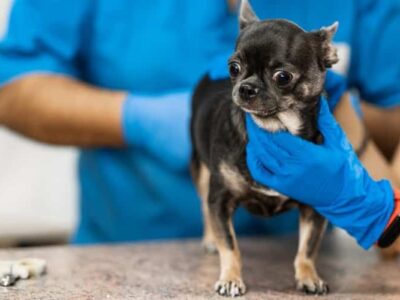
A proper workup starts with hands on the dog. The vet watches how your dog stands, walks and sits before flexing each joint and feeling for swelling, heat and reduced range. Then come radiographs to confirm osteoarthritis and rule out other causes, such as cruciate injury, infection or a fracture that healed badly. No honest comparison can happen without that step.
Inside the joint, the problem is mechanical and chemical at once. Articular cartilage wears thin and rough, while synovial fluid thins out and the lining gets inflamed. Bone rubs closer to bone, and new bony spurs form around the edge. That’s why vets call it progressive and lifelong. We can’t regrow perfect cartilage once it’s gone.
Symptom guessing easily leads people astray. A stiff morning can look like arthritis but come from a sore back. A skipped step might suggest a hip issue when it actually starts in a knee. If you buy products for the wrong joint or the wrong disease, you waste weeks. A diagnosis narrows the field so each later choice fits.
Learn what pain drugs do well
Nonsteroidal anti-inflammatory drugs are the first-line treatment for most arthritic dogs. Carprofen and meloxicam are old standbys that many vets know well. They block inflammatory pathways that drive pain and stiffness, and most dogs move better within days. For daily comfort, nothing else in the cabinet has the same depth of proof.
Grapiprant is newer. You may know it as Galliprant, which belongs to a Piprant class rather than a classic NSAID group. It targets one pain receptor instead of blocking broader enzymes. Some older dogs and dogs with sensitive stomachs tolerate it better. It still requires a prescription and follow-up, and it isn’t a free pass for dogs that can’t take any drug.
Pain drugs don’t repair cartilage. They lower pain and swelling so the dog can walk, sleep and eat normally. That relief has value because less pain allows more muscle use, and muscle protects joints. The effect stops when the drug stops. That’s the trade you accept.
Blood work is part of the deal. Most vets run baseline labs before long-term use, recheck after a few weeks and then test at set intervals. The liver and kidneys clear these drugs, so their function must be watched. The gut needs attention too, since vomiting, diarrhea or appetite loss can signal trouble. Don’t skip that monitoring to save money.
Ask about safety burden up front
Ask how often labs are due and which signs should trigger a call. Tell the vet about other drugs and supplements your dog takes, since some combinations raise the risk. A good plan spells out the dose, timing and what to do if a dose is missed. There’s no shame in asking for that in writing. You will forget half of it in the exam room.
Look past fast relief to injections and food
Disease-modifying drugs work on a different clock. Pentosan polysulfate is sold as Cartrophen in many markets. Polysulfated glycosaminoglycan is sold as Adequan. Both are given as a course of injections, often weekly at first before being spaced out. The goal is to support cartilage metabolism and joint fluid health rather than mask pain for the day.
Set your hopes at the right level. These shots don’t work like an aspirin, and most dogs don’t bounce up the next morning. Benefit builds slowly and appears as steadier movement over several weeks. They work best when paired with something for pain and a way to build strength. Used alone, they can leave owners disappointed. As part of a broader mix, they can help hold ground.
Nutraceuticals sit one tier down in terms of proof. Glucosamine and chondroitin are the best-known pair, and some dogs seem a bit looser on them. Controlled trials show mixed results, while product quality varies widely. Veterinary-grade powders tend to have tighter labels than random online tubs. If you try them, give one product a fair month and track any change.
Fats and food deserve more respect. Omega-3 fatty acids have better data than most joint powders for calming joint inflammation, and therapeutic joint diets include those fats at tested doses. Green-lipped mussel appears in some of those diets too. A bag from a vet channel isn’t magic, but it beats scooping loose powder of unknown strength into kibble. Food is easier to dose correctly when the dose is already included.
Take weight and muscle seriously
Extra pounds punish sore joints twice. They add load with every step and also fuel low-grade inflammation through fat tissue. Many vets say slimming down beats adding another pill. We’ve seen stiff dogs turn a corner after losing even a small share of body weight.
Weight changes everything here.
It doesn’t take a crash diet. It takes measured meals, honest treat counts and regular weigh-ins. Your vet can set a target and adjust it as needed. Expect slow loss over months, not weeks. The payoff appears in longer walks, easier rises and better sleep. Those improvements cost less than most drugs.
Rehab rebuilds what pain took away. Hydrotherapy lets dogs work muscle without pounding their joints, while physiotherapy adds balance work and controlled strengthening exercises. Short, planned walks help maintain muscle between sessions. Muscle takes load off cartilage. That shift is structural, not chemical.
Keep exercise controlled. Off-leash sprints and long weekend hikes can flare a sore joint for days, while daily short walks on soft ground tend to do more good. Warm up slowly and stop before your dog fades. Soreness the next morning means you did too much. Write down the activity so you can connect cause and effect.
Test every option the same way and build a mixed plan
That’s why the safest way to compare arthritis in dogs treatment options is to start with a vet assessment that maps each choice to your dog’s joint, age and health profile. Categories blur online, with drugs, shots and foods all claiming the top spot. An exam puts them back in order. You leave with a short list that fits your dog, not a cart full of maybes.
Comfort add-ons still have a place. Cold laser and acupuncture are often sold for stiff dogs. Sessions are short, and most dogs rest through them. The risk is low when a trained person does the work. Some owners report calmer evenings after treatment. The proof is thinner than it is for NSAIDs and weight loss, so treat these options as extras.
PEMF mats and similar devices sit in the same category. They don’t require needles or drugs, and dogs simply lie on a mat for a set time. Marketing often runs ahead of the data. If your dog relaxes, moves a bit more easily and the cost fits your budget, there’s little harm. Don’t drop proven care to pay for it. Add it only when the base plan is covered.
Judging the options as a vet would starts with proof. Has the treatment been tested in dogs with arthritis, rather than only in lab models or people? NSAIDs, weight loss and structured rehab have the deepest files. Joint injections have moderate support, while supplements and diets vary by product. Laser, acupuncture and PEMF have the thinnest files. Rank choices that way before reviews sway you.
Next, weigh the safety burden. Consider what can go wrong and how you’ll catch it. Drugs require labs and close attention to gut signs. Injections involve vet visits and can sting or cause brief soreness. Supplements are usually gentle, although they can upset the stomach and interact with drugs. Rehab is safe when guided but can flare pain if pushed too quickly. Choose burdens you can realistically carry.
Then consider real life. Can you give pills daily without a fight? Can you get to the clinic for a course of shots or afford labs twice a year? Can you walk twice a day and keep food measured? The best plan on paper fails when it doesn’t fit your week. Be blunt about time and money. Vets prefer a simple plan you follow to a perfect one you abandon.
Pair the pieces on purpose. Most dogs do best with one drug tier and at least one non-drug tier. That might mean an NSAID plus rehab, or grapiprant alongside a joint diet and weight loss. Include weight control whenever weight is high. Recheck in four to six weeks. That window is long enough to spot change but short enough to correct a miss.
Track pain and function with the same tool each time. The Canine Brief Pain Inventory is a free owner form that scores pain and how it limits daily activities. Fill it out before treatment starts and again at the recheck. Record walk duration, stairs and play, along with whether your dog sleeps through the night without pacing. Bring notes, not vibes. Small gains count when they last.
Quality-of-life signs show whether the mix works. Willingness to rise for a walk matters, as does willingness to greet you at the door. Look for easier sits, stands and turns, as well as normal appetite and rest. If scores don’t move, the plan may need a change in dose, exercise or weight target. Good veterinary services will insist on that recheck and adjust the plan instead of issuing refills on autopilot.
Arthritis care never ends, but it does get simpler. You’ll learn which walk length suits your dog and which drug dose maintains comfort without side effects. You’ll also learn when to add rehab in winter and when to ease off. Keep the vet in the loop and keep your notes honest. Comfort comes from steady, small decisions made well.