 By Will Scot
Preventive veterinary care focuses on keeping pets healthy rather than treating illness after it appears. It is a proactive approach that helps detect potential health issues early, reduce long-term medical costs, and improve a pet’s overall quality of life. When done consistently, preventive care can add years to a pet’s lifespan while minimizing discomfort and avoidable emergencies.
What Is Preventive Veterinary Care?
Preventive veterinary care includes routine medical services designed to prevent disease, identify risks early, and maintain overall wellness. Instead of reacting to symptoms, this approach emphasizes regular monitoring and protection.
Core goals of preventive care include:
- Detecting health issues before they become serious
- Reducing the risk of infectious and chronic diseases
- Supporting long-term physical and mental well-being
This type of care is tailored to a pet’s age, species, lifestyle, and medical history.
Key Components of Preventive Veterinary Care
Preventive care is not a single service but a combination of essential practices that work together.
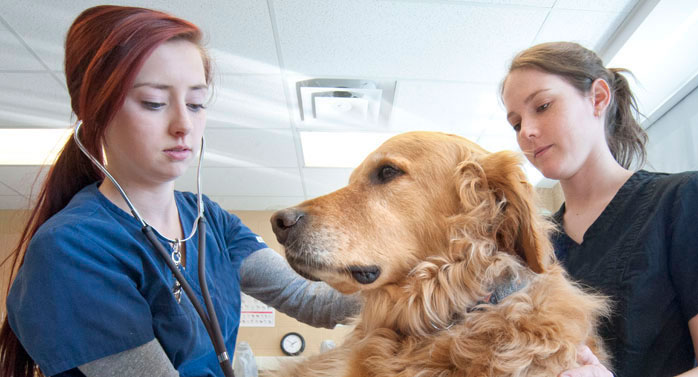
Routine Wellness Exams
Regular wellness exams allow veterinarians to assess a pet’s overall health and establish a baseline for comparison over time.
During a wellness exam, vets typically check:
- Weight and body condition
- Heart, lungs, eyes, ears, and skin
- Joints and mobility
- Early signs of pain or illness
These exams are often the first line of defense against hidden health problems.
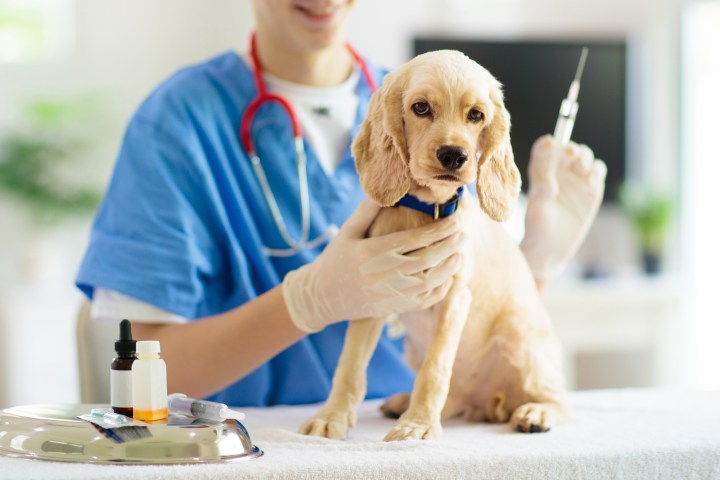
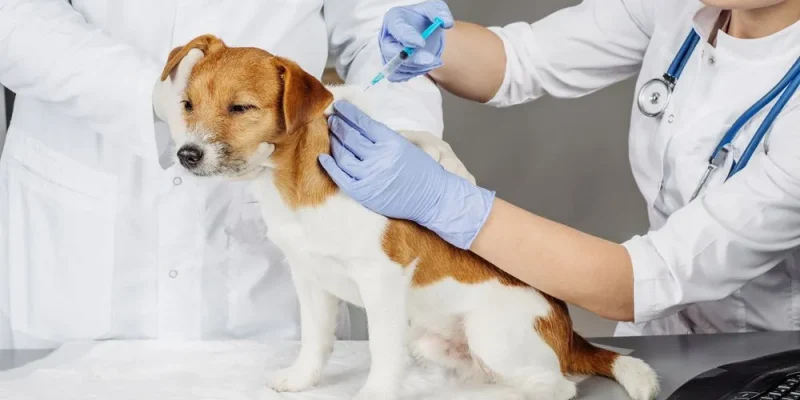
Vaccinations
Vaccinations protect pets from highly contagious and potentially life-threatening diseases. Vaccine schedules are based on age, health status, and risk exposure.
Vaccines help by:
- Preventing serious illnesses
- Reducing disease spread within the pet population
- Protecting vulnerable pets with weaker immune systems
Not all pets need the same vaccines, which is why individualized plans are important.
Parasite Prevention
Parasites can cause serious health issues and may also pose risks to humans.
Preventive parasite care includes protection against:
- Fleas and ticks
- Heartworms
- Intestinal worms
Year-round prevention is often recommended, even for indoor pets.
Dental Care
Dental disease is one of the most common yet overlooked health issues in pets. Preventive dental care supports both oral and overall health.
Dental prevention may include:
- Professional cleanings
- At-home brushing routines
- Dental diets or chews
Healthy teeth and gums reduce the risk of infections that can affect the heart, liver, and kidneys.
Nutrition and Weight Management
Proper nutrition plays a major role in disease prevention. Preventive care includes evaluating a pet’s diet and body condition regularly.
Veterinary guidance helps with:
- Choosing age-appropriate food
- Managing food allergies or sensitivities
- Preventing obesity-related conditions
Maintaining a healthy weight reduces strain on joints and organs.
Preventive Care Across Different Life Stages
A pet’s preventive care needs change over time.
Young pets
- Frequent checkups and vaccinations
- Growth and development monitoring
Adult pets
- Annual wellness exams
- Ongoing parasite and dental care
Senior pets
- More frequent exams
- Routine bloodwork and organ monitoring
- Early detection of age-related conditions
Adjusting care by life stage ensures consistent protection.
Benefits of Preventive Veterinary Care
Preventive care offers advantages that go beyond physical health.
Key benefits include:
- Lower long-term veterinary costs
- Fewer emergency visits
- Early detection of chronic diseases
- Improved comfort and mobility
- Stronger bond between pet and owner
Pets receiving consistent preventive care often live longer and healthier lives.
How Often Should Preventive Care Be Done?
While schedules vary, most pets benefit from:
- Annual wellness exams for healthy adults
- Biannual visits for senior pets
- Ongoing parasite prevention throughout the year
Your veterinarian can customize a plan based on your pet’s specific needs.
FAQs About Preventive Veterinary Care
Is preventive veterinary care really necessary for healthy pets?
Yes. Many illnesses develop silently, and preventive care helps detect problems before symptoms appear.
Can preventive care reduce emergency vet visits?
In many cases, yes. Early detection and routine monitoring lower the risk of sudden, severe health issues.
Does preventive care differ for indoor pets?
Indoor pets still need preventive care, including exams, vaccines, and parasite protection, though risk levels may differ.
How do I know which preventive services my pet needs?
A veterinarian will recommend services based on your pet’s age, lifestyle, breed, and medical history.
Is preventive veterinary care expensive?
Preventive care is usually far less costly than treating advanced illness or emergency conditions.
Can preventive care improve my pet’s behavior?
Yes. Addressing pain, dental issues, or nutritional imbalances can positively affect behavior and energy levels.
Should preventive care continue throughout a pet’s entire life?
Absolutely. Preventive care is most effective when it is consistent from youth through senior years.
Preventive veterinary care is an investment in your pet’s future. By focusing on early detection and routine protection, pet owners can help ensure a longer, healthier, and happier life for their companions.