
 By Will Scot
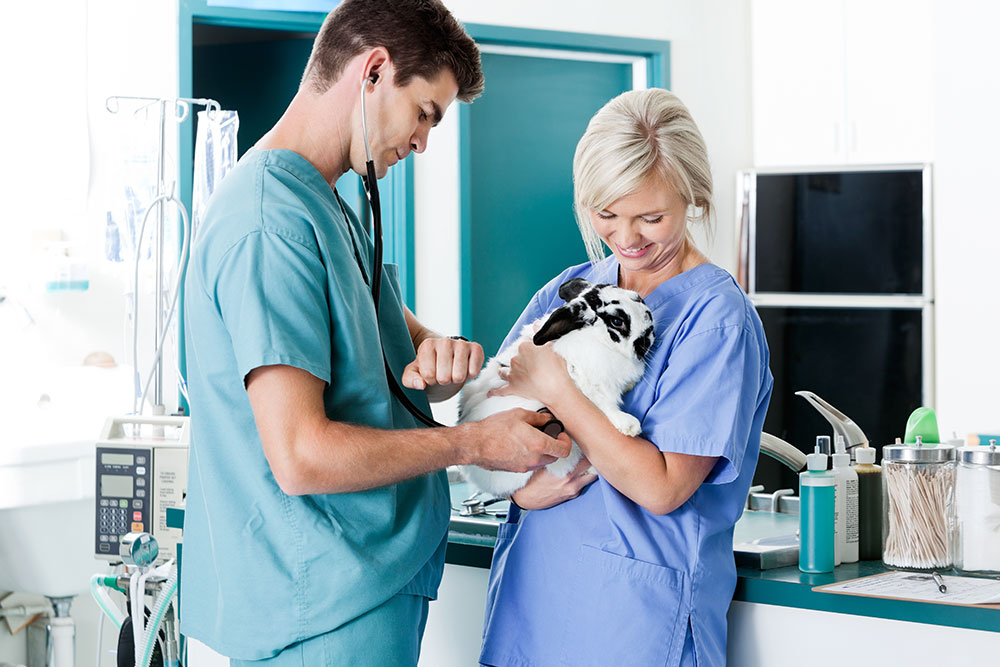
Veterinary care is an essential component of responsible animal ownership and wildlife management. A veterinarian’s role extends beyond treating sick animals; it encompasses preventive care, diagnostics, surgery, behavioral guidance, and public health considerations. Understanding veterinary practices and their importance ensures that pets, livestock, and even wildlife receive the best possible care, contributing to overall animal welfare and human safety.
The Role of Veterinary Medicine
Veterinary medicine is a specialized field that addresses the physical and psychological health of animals. Veterinarians are trained to diagnose, treat, and prevent diseases, while also advising on nutrition, behavior, and environmental management. Veterinary care is not limited to domestic pets; it also covers farm animals, exotic species, and wildlife populations.
Core Functions of Veterinarians
- Preventive care: Vaccinations, parasite control, and routine health checkups help prevent diseases.
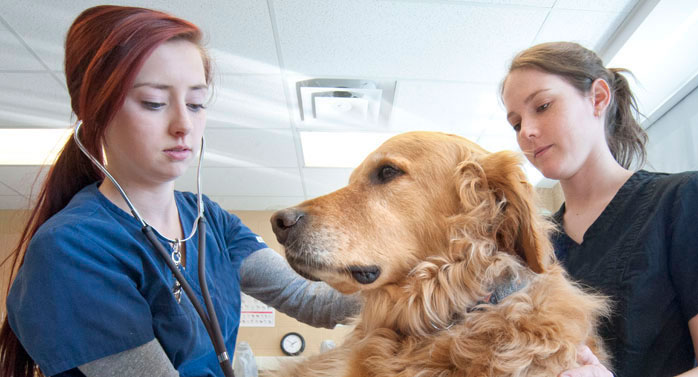
- Diagnosis and treatment: Utilizing medical imaging, blood work, and clinical examinations to identify and treat illnesses.
- Surgical interventions: From spaying and neutering to complex surgeries, veterinary surgery is crucial for long-term health.
- Behavioral guidance: Addressing behavioral issues in pets through training and therapy recommendations.
- Public health: Monitoring zoonotic diseases to prevent transmission from animals to humans.
Types of Veterinary Specializations
Veterinary medicine has evolved into multiple specializations to address diverse animal needs.
Companion Animal Veterinarians
- Focus on pets such as dogs, cats, birds, and small mammals.
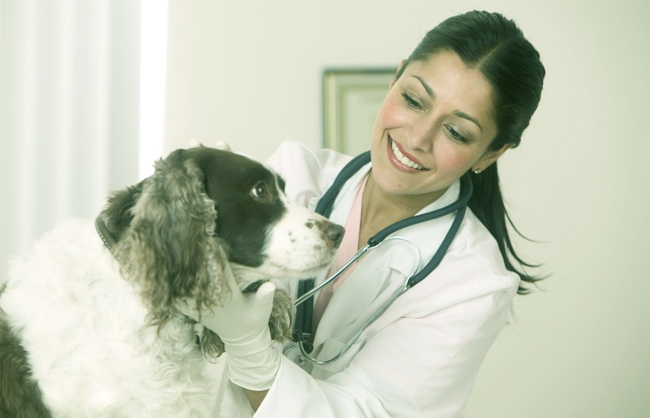
- Provide routine checkups, vaccinations, dental care, and emergency services.
- Offer guidance on nutrition, enrichment, and behavioral management.
Large Animal and Livestock Veterinarians
- Work with farm animals including cattle, sheep, pigs, and horses.
- Focus on herd health management, disease prevention, and productivity enhancement.
- Provide reproductive services, vaccinations, and emergency care for injuries or illness.
Exotic and Wildlife Veterinarians
- Care for non-domestic species in zoos, aquariums, and natural habitats.
- Specialize in unique dietary, environmental, and medical requirements.
- Contribute to conservation efforts through health monitoring and rehabilitation.
Veterinary Surgeons
- Perform both routine and complex surgical procedures.
- Focus on orthopedic, soft tissue, and emergency surgeries.
- Employ advanced techniques such as minimally invasive surgery for faster recovery.
Veterinary Dentists
- Specialize in oral health, addressing issues like tooth decay, periodontal disease, and oral tumors.
- Advise on preventive care such as dental cleanings and diet modifications.
Preventive Veterinary Care
Preventive care is the cornerstone of veterinary medicine, focusing on maintaining health before illness occurs.
Vaccinations
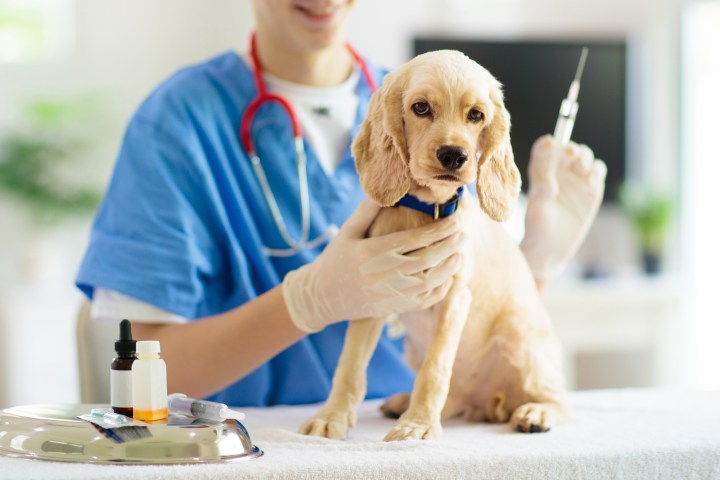
Vaccinations protect animals from common, potentially fatal diseases.
- Dogs: Rabies, distemper, parvovirus, and adenovirus.
- Cats: Feline leukemia, rabies, and calicivirus.
- Livestock: Foot-and-mouth disease, brucellosis, and clostridial infections.
Parasite Control
- Internal parasites: Worms, such as roundworms and tapeworms, can affect organ function.
- External parasites: Fleas, ticks, and mites can transmit diseases and cause skin irritation.
- Regular deworming and topical or oral treatments help maintain health.
Nutrition and Weight Management
Veterinarians provide guidance on feeding schedules, portion control, and specialized diets.
- Ensures growth, muscle development, and energy balance.
- Supports weight management in pets prone to obesity.
- Addresses species-specific dietary requirements, particularly for exotic or senior animals.
Dental Care
- Prevents oral disease that can lead to systemic health problems.
- Includes routine cleanings, extractions, and behavioral guidance for at-home dental care.
Diagnostic and Therapeutic Veterinary Services
Veterinarians use advanced diagnostic tools to accurately identify and treat health issues.
Diagnostic Tools
- Blood tests and urinalysis: Identify infections, organ dysfunction, and metabolic disorders.
- Imaging: X-rays, ultrasounds, and CT scans reveal fractures, tumors, and internal abnormalities.
- Endoscopy: Minimally invasive technique for examining the gastrointestinal or respiratory tracts.
Therapeutic Interventions
- Medications: Antibiotics, anti-inflammatories, and pain management drugs.
- Surgery: From routine sterilization to complex procedures such as tumor removal or orthopedic repair.
- Physical therapy: Rehabilitation after surgery or injury to restore mobility and function.
Emergency and Critical Care
Veterinarians provide urgent care for life-threatening conditions.
- Trauma care: Injuries from accidents, bites, or falls.
- Acute illness: Sudden onset of infections, poisoning, or organ failure.
- Critical monitoring: Intensive care units for pets requiring continuous observation.
Behavioral and Psychological Veterinary Support
Veterinarians often address behavioral and mental health issues to improve quality of life.
- Stress reduction: Strategies for managing anxiety in pets, particularly during travel or veterinary visits.
- Behavior modification: Training programs to correct aggression, excessive barking, or destructive behaviors.
- Enrichment guidance: Recommending toys, exercises, and environmental modifications to support mental health.
Veterinary Ethics and Responsibility
Veterinary care is guided by ethical principles that prioritize animal welfare.
- Informed consent: Owners are provided with detailed explanations before procedures.
- Humane treatment: Ensuring minimal pain and stress during care.
- End-of-life decisions: Veterinarians assist in palliative care and humane euthanasia when necessary.
- Public safety: Monitoring zoonotic diseases and providing guidance on animal handling to prevent transmission.
The Impact of Veterinary Care on Public Health
Veterinary medicine extends beyond individual animals to the broader community.
- Zoonotic disease prevention: Control of rabies, avian influenza, and other animal-to-human transmitted diseases.
- Food safety: Ensuring livestock health to prevent contamination and foodborne illnesses.
- Environmental health: Advising on wildlife management and reducing ecological risks from domesticated animals.
Real-Life Applications of Veterinary Knowledge
- Routine vaccinations and checkups prevent outbreaks in households and farms.
- Early detection of diseases like kidney failure in cats or hip dysplasia in dogs improves treatment outcomes.
- Behavioral guidance reduces stress-related injuries and improves human-animal relationships.
- Emergency veterinary care saves lives following accidents, poisonings, or sudden illness.
FAQ About Veterinary Care
What is the role of a veterinarian in preventive care?
Veterinarians provide vaccinations, parasite control, nutrition guidance, and routine checkups to prevent diseases before they occur.
How often should pets visit a veterinarian?
Generally, annual checkups are recommended for healthy adult pets, while puppies, kittens, senior pets, or animals with chronic conditions may require more frequent visits.
Can veterinarians treat exotic animals?
Yes. Veterinary specialists are trained to care for birds, reptiles, small mammals, and even wildlife, tailoring care to each species’ unique needs.
Why is veterinary dentistry important?
Oral health affects systemic health. Untreated dental issues can lead to heart, kidney, or liver problems in pets.
What should I do in a pet emergency?
Contact an emergency veterinarian immediately. Keep first aid supplies on hand and be aware of the nearest veterinary clinic or animal hospital.
How do veterinarians contribute to public health?
By monitoring zoonotic diseases, ensuring livestock safety, and advising on animal handling and environmental health, veterinarians protect both animals and humans.
Are all veterinarians trained in surgery?
Most veterinarians perform routine surgeries such as spaying and neutering, but complex or specialty surgeries may require board-certified veterinary surgeons.
Veterinary care is a multifaceted discipline essential for maintaining animal health, enhancing the human-animal bond, and safeguarding public health. From preventive medicine and diagnostics to emergency care and behavioral guidance, veterinarians play a critical role in ensuring that pets, livestock, and wildlife lead healthy, fulfilling lives.