 By Will Scot
Practical Tips for a Sunny, Healthy Aquarium
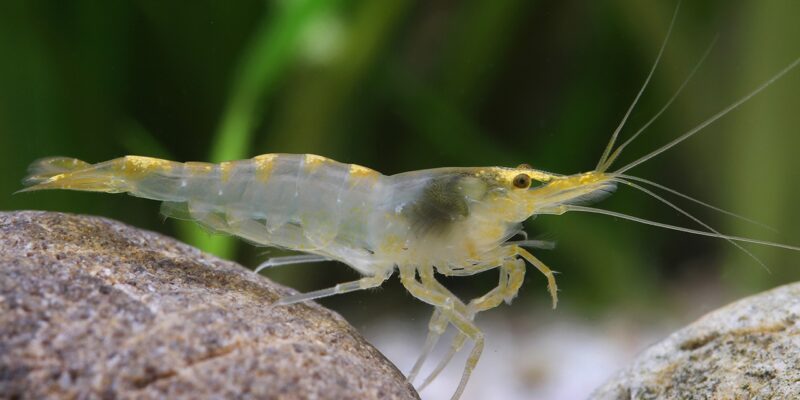
We’ve always loved small wonders in our tanks. When we first spotted yellow neocaridina shrimp, we were hooked. These little creatures bring a warm glow and fun activity to any aquarium. In our journey, we tried ideas that worked—and some that flopped. Now, we share what we learned. We keep it real as if chatting over a cuppa. You might be wondering how tricky they are. Spoiler: they’re not too fussed if you do a few basics right. We care about sharing clear tips you can use right away. No fluff, just honest pointers. By the time you finish reading, you’ll see why these shrimps are a top pick for both newbies and seasoned hobbyists.
Why Choose Yellow Neocaridina Shrimp?
A Bright Accent in Your Tank
You want life and colour underwater. These shrimps show off a soft yellow tone that stands out against green plants. They move around, graze on biofilm, and add charm.
Easy to Keep, Friendly to Beginners
You don’t need fancy gear. If you’ve set up a basic freshwater tank, you’re partway there. They tolerate small shifts if you’re careful. Sure, they need stable water, but that’s common for most shrimp.
Great for Community Aquariums
You might ask: can they live with other fish? It’s best to pick calm tank mates. Busy or big fish might see them as snacks. But peaceful species—small tetras or snails—make friendly neighbours.
Setting Up Your Tank
Water Basics
You’ve got to watch temperature and water quality. Aim for about 20–26°C. Keep pH near neutral, around 6.5–7.5. You can test the water with simple test kits. Do weekly checks.
Substrate and Hiding Spots
They love surfaces to graze on. Fine gravel or sand works well. Add plants, moss or small décor bits so they hide when moulted. Hiding spots cut stress and boost survival.
Filtration and Flow
A gentle filter suits them. Strong currents can tire them out. Use a sponge pre-filter or gentle flow outlet. That way, you avoid sucking in tiny shrimp.
Feeding and Care
What to Feed
They eat algae, biofilm and leftover fish food. You can offer specialised shrimp pellets or blanched veg like spinach. But don’t overfeed. A small pinch twice a week often suffices. If you see leftovers, reduce the amount next time.
Observing Behaviour
You might spot shrimp lets hiding at first. That’s normal. Adults forage on surfaces. If they cluster at the surface, check water quality—maybe low oxygen or poor chemistry.
Cleaning and Maintenance
We do partial water changes, around 10–20% weekly. Use dechlorinated water at a similar temperature. Clean filter gently—rinse sponge in tank water to keep beneficial bacteria. Avoid sudden significant changes.
Breeding Basics
How They Reproduce
Female shrimps carry eggs under their tail until hatching. You’ll see tiny shrimp lets in a few weeks. If you want more, keep the water stable and feed lightly. Don’t chase shrimp; let them roam and breed at their own pace.
Caring for Young
Baby shrimp eat biofilm and tiny particles. Dense planting and moss help them hide and feed. Avoid predators in the tank. If numbers seem low, you might add a separate nursery tank. But often, a well-planted main tank works fine.
Common Pitfalls and Tips
- Sudden Changes: Shrimp hate big swings. Change parameters slowly.
- Overcrowding: Too many shrimps can stress the tank. Keep numbers balanced.
- Tankmates: Pick peaceful fish. Avoid species known to nip or hunt small inverts.
- Chemicals: Don’t use medications or cleaners that harm shrimp. Always check labels.
Conclusion: How We Can Help Next
We hope these tips make you confident to welcome yellow neocaridina shrimp into your aquarium. We’ve been there—wondering what to try, worrying if we’d kill them by mistake. Now, we guide you so you avoid those bumps. If you choose to explore further, we’re here with more guides and chat. We love seeing vibrant tanks come to life. Let’s share updates, swap experiences, and keep those colonies glowing. Ready to start? Let’s dive in together and enjoy the bright world of yellow shrimp!