 By Will Scot
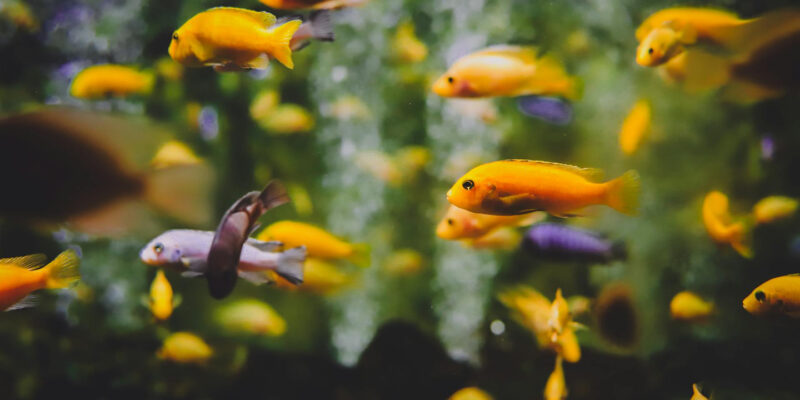
In today’s fast-paced world, where stress and anxiety are ever-present, finding ways to unwind and promote mental well-being is crucial. One often overlooked yet highly effective remedy for stress is keeping fish and maintaining an aquarium. Aquariums are not only a beautiful addition to any space, but they also provide a host of psychological benefits that can significantly boost mental health. Whether it’s a simple bowl with a few fish or a large, complex ecosystem, aquariums offer a peaceful sanctuary that fosters relaxation, mindfulness, and emotional well-being.
The Mental Health Benefits of Aquariums
- Reducing Stress and Anxiety
There is something undeniably calming about watching fish glide gracefully through water. Studies have shown that observing an aquarium for just a few minutes can help lower blood pressure and reduce stress hormones such as cortisol. The gentle movements of fish, combined with the soothing sound of water, create a tranquil environment that helps ease anxiety, offering a much-needed break from the stresses of daily life.
- Promoting Mindfulness and Focus
Aquariums encourage a form of mindfulness that helps individuals stay present in the moment. Watching fish can be a meditative experience, focusing attention on the gentle rhythm of their swimming and the peaceful environment within the tank. This mindfulness can improve focus and clarity of thought, reducing the clutter of anxious thoughts and promoting mental calmness.
- Enhancing Emotional Stability
Many people find that caring for fish offers a sense of purpose and routine, which can be especially helpful for those dealing with emotional difficulties or depression. The act of feeding the fish, cleaning the tank, and monitoring the water’s health provides structure and routine, offering a low-pressure way to build responsibility and care for another living thing.
- Improving Sleep Quality
An aquarium in the bedroom or living space can help improve sleep. The combination of gentle lighting, soft water sounds, and the slow movement of fish can help create a relaxing atmosphere, aiding in falling asleep faster and improving the quality of sleep. Some individuals use aquariums as a form of white noise, allowing the calming environment to reduce distractions and promote restful sleep.
- Boosting Creativity and Concentration
Aquariums are often used in offices and workspaces, not just for decoration but also for their ability to enhance creativity and focus. The serene visuals provided by an aquarium can refresh the mind, helping to stimulate new ideas and solutions. Additionally, short breaks spent watching fish can help reduce mental fatigue and improve concentration.
Types of Aquariums
When considering an aquarium for your home or office, it’s important to choose the right type of aquarium that suits your needs, space, and level of commitment and speaking to a specialist aquatic supplier such as Complete Aquatics is certainly advisable to get the best advice.
Here are some popular types of aquariums:
- Freshwater Aquariums
Freshwater aquariums are the most common type and are generally easier to maintain compared to saltwater systems. They can house a wide range of fish, such as guppies, tetras, and bettas, along with aquatic plants. Freshwater tanks are great for beginners due to their relative simplicity and lower cost. They also come in various sizes, from small desktop tanks to large living room centrepieces.
- Saltwater (Marine) Aquariums
For those seeking more diversity and vibrant colours, a saltwater aquarium may be ideal. Marine aquariums can host a stunning array of fish, such as clownfish, tangs, and coral reefs. While they offer a visually striking display, saltwater aquariums tend to require more upkeep and equipment, as the water chemistry must be carefully balanced. This type of tank is more suited for experienced fish keepers.
- Brackish Aquariums
Brackish aquariums sit between freshwater and saltwater tanks, mimicking the environments of estuaries where rivers meet the sea. They require a specific balance of salt and fresh water, and house fish such as mollies, mudskippers, and archerfish. Brackish tanks can be an exciting challenge for those looking to try something different, but they do require careful attention to water parameters.
- Planted Aquariums
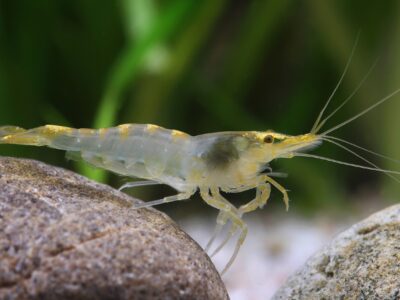
For those who are more interested in aquatic plant life than fish, a planted aquarium might be the way to go. These tanks focus on creating a lush, green underwater garden that can also house small fish or shrimp. Planted aquariums offer both beauty and a calming environment, while providing a natural filtration system as the plants absorb waste products from the fish.
- Biotope Aquariums
A biotope aquarium replicates a specific natural habitat, such as a riverbank, lake, or coral reef. These aquariums are designed to mimic the exact conditions of a particular environment, including the types of plants, fish, and water conditions. While this type of tank can be challenging to set up and maintain, it offers a truly immersive experience for both the aquarist and anyone viewing the tank.
Essential Aquarium Equipment
No matter the type of aquarium you choose, having the right equipment is essential to ensure the health of your fish and the stability of the environment. Here’s a breakdown of some key pieces of equipment you’ll need:
- Tank and Stand
The tank itself is the most obvious piece of equipment, and it comes in various sizes and shapes. A stand is necessary to provide a stable surface for larger tanks, and should be sturdy enough to hold the tank’s weight when filled with water, gravel, and decorations.
- Filter
An aquarium filter is crucial for keeping the water clean and clear by removing debris, excess food, and fish waste. There are several types of filters, such as internal, external, and under-gravel filters, each with different capacities and advantages depending on the tank size and fish load.
- Heater and Thermometer
For tropical fish, maintaining the right water temperature is vital. A heater keeps the water at a stable, warm temperature, while a thermometer ensures the temperature is within the ideal range for your fish. Some cold-water species, like goldfish, may not require a heater, but most tropical fish do.
- Lighting
Aquarium lighting is essential for plant growth and to enhance the colours of the fish. For planted tanks, special lights that simulate natural sunlight are needed to help the plants thrive. LEDs are a popular choice due to their energy efficiency and ability to produce different colours and intensities of light.
- Water Conditioner
Tap water contains chemicals like chlorine and chloramines that are harmful to fish. Water conditioners neutralise these chemicals, making the water safe for your aquarium inhabitants. Regular water testing kits are also important to monitor pH, ammonia, nitrite, and nitrate levels.
- Air Pump and Bubbler
An air pump can help increase the oxygen levels in the water, especially in heavily stocked tanks or tanks with low surface agitation. A bubbler not only improves oxygenation but also adds a beautiful visual effect to the aquarium.
- Substrate and Decorations
The substrate, which can be gravel, sand, or specialised plant soil, provides a base for plants and decorations. Natural decorations, such as rocks, driftwood, and live plants, create a more authentic environment for the fish and offer hiding places that reduce stress.
Conclusion
Keeping fish and maintaining an aquarium provides an oasis of calm in a busy world, delivering numerous mental health benefits, from reducing stress and anxiety to promoting mindfulness and emotional stability. With different types of aquariums available, there is something for everyone, whether you’re looking for a simple, low-maintenance setup or a vibrant, complex marine system. By investing in the right equipment and providing the proper care, you can enjoy the tranquillity and beauty that aquariums bring to both your home and your mental well-being.