 By Will Scot
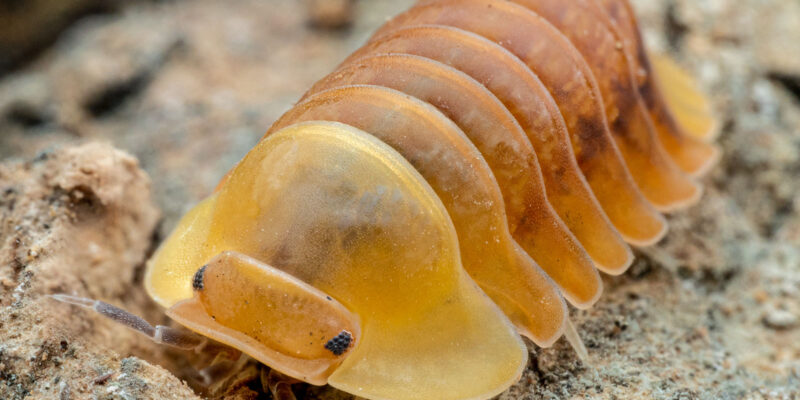
Low-maintenance pets like isopods, sometimes referred to as “pill bugs,” “rolly pollies,” or the popular rubber ducky isopods are growing in popularity. Usually discovered under rocks and on damp forest floors, these incredible creatures bring distinctive value to any house. Maintaining the health and activity of these organisms depends on new pet owners knowing the fundamentals of isopod care.
Creating the Perfect Habitat
Your isopods will remain healthy and content only if their habitat is suitable. One needs an enclosure with enough ventilation and moisture-retentive substrate. If a terrarium or small container has air holes for ventilation, it will work nicely. An excellent substrate is coconut fiber or organic soil since it holds moisture without getting overly wet. Including leaf litter, moss, and tiny bits of wood gives the isopods hiding places and food sources in line with their natural habitat.
Maintaining the Right Humidity and Temperature
Sensitive to humidity, isopods flourish in moist surroundings. Regular misting of the enclosure helps to keep the humidity between 60% and 80%; avoid over-watering since too much moisture could cause mold development. Moreover, it like a temperature range between 65°F and 75°F, which is usually appropriate for most houses. If you live in a cooler environment, you might want to keep a consistent temperature by including a heat mat under part of the enclosure.
Feeding and Nutrition
Natural decomposers, isopods, mostly eat organic stuff. Offering a varied diet promotes natural habits and helps them to remain healthy. Perfect food sources are leaf litter, rotting wood, bits of fruit, and vegetables. To prevent rotting and discard any uneatable food right away, it’s better to present food in small quantities. Adding a calcium source, like broken eggshells or cuttlebones, strengthens their exoskeletons. One might have fun observing the eating patterns of your isopods as part of pet care.
Cleaning and maintenance
Although isopods are usually low-maintenance animals, some little care is needed to keep their habitat clean and healthy. To maintain the stability of the enclosure, routinely clear mold, rotting food, and extra trash from it. Maintaining cleanliness also depends on a balanced ecology with springtails, microscopic insects that help control mold. Often consumed for nutrition, isopods mould and shed exoskeletons.
Taking care of isopods, whether you already have some or are searching for isopods for sale, offers a fulfilling hobby that lets you see these unusual animals up close. Your isopods will flourish if you supply an appropriate habitat, control the humidity and temperature, provide a balanced feed, and keep the cage tidy.