
 By Will Scot
Understanding the Needs of Your Pet
Every pet, whether a dog, cat, bird, or exotic animal, has specific needs that must be met to ensure a fulfilling and healthy life. Understanding these requirements is the foundation of responsible pet ownership. Animals thrive when provided with proper nutrition, adequate exercise, and a stable environment. Recognizing their unique personalities and behavioral traits allows owners to create a living space where their pets feel secure and valued.
The Importance of Proper Nutrition
A well-balanced diet is essential to maintaining a pet’s health. Different species and breeds require specific nutrients to support their growth, energy levels, and overall well-being. High-quality food options formulated for age, size, and dietary sensitivities contribute significantly to longevity and vitality. For instance, dogs benefit from a protein-rich diet, while cats, as obligate carnivores, require essential amino acids like taurine. Avoiding processed fillers and artificial additives ensures that pets receive optimal nutrition without unnecessary health risks. Hydration is equally crucial, as adequate water intake supports digestion, circulation, and temperature regulation.
Exercise and Mental Stimulation
Physical activity plays a vital role in keeping pets fit and preventing obesity-related conditions. Regular walks, interactive play sessions, and agility training help dogs maintain strong muscles and cardiovascular health. Cats, though seemingly independent, also require stimulation through climbing structures, scratching posts, and engaging toys. Small mammals, birds, and reptiles benefit from environmental enrichment tailored to their species. Beyond physical exertion, mental stimulation prevents boredom and destructive behavior. Puzzle feeders, scent games, and training exercises sharpen cognitive functions and reinforce positive behaviors.
Grooming and Hygiene
Routine grooming is essential to a pet’s health and comfort. Brushing prevents matting in long-haired breeds, reduces shedding, and distributes natural oils for a healthy coat. Bathing, when appropriate for the species, helps maintain skin hygiene and reduces allergens. Nail trimming prevents discomfort and mobility issues, while dental care reduces the risk of periodontal disease. Regular ear cleaning is particularly important for breeds prone to infections. A structured grooming routine enhances a pet’s quality of life and fosters a deeper bond between pet and owner.
Preventive Veterinary Care
Routine veterinary visits are fundamental in detecting potential health concerns before they escalate. Vaccinations protect against infectious diseases, while parasite prevention safeguards against fleas, ticks, and worms. Annual check-ups allow veterinarians to assess weight management, dental health, and underlying medical conditions. Spaying and neutering contribute to population control and reduce the risk of specific cancers. Investing in preventive care minimizes long-term medical costs and enhances a pet’s well-being.
Creating a Safe and Comfortable Environment
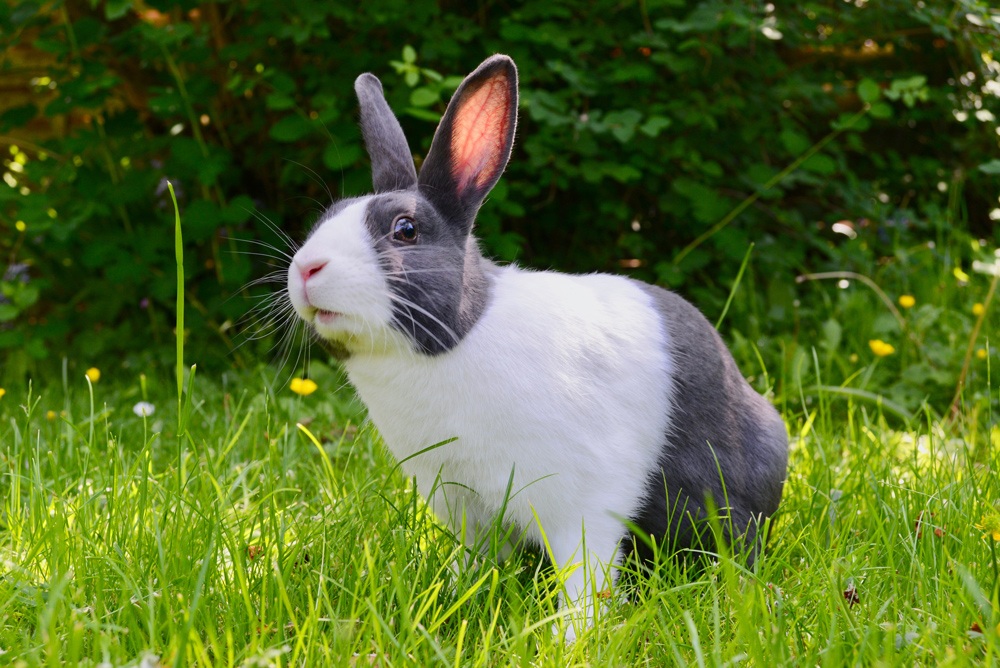
A pet’s living space should provide security, comfort, and stimulation. Dogs benefit from cozy bedding and designated areas for rest and play. Cats require vertical spaces, hiding spots, and litter boxes placed in quiet, accessible locations. Small pets, such as rabbits and guinea pigs, thrive in spacious enclosures with proper ventilation and enrichment items. Temperature regulation is vital for reptiles and amphibians, requiring controlled lighting and humidity levels. A well-maintained and hazard-free environment fosters a sense of safety and contentment.
Building a Strong Emotional Connection
Beyond fulfilling basic needs, pets require companionship and affection. Spending quality time through interactive play, training sessions, and quiet moments of comfort strengthens the human-animal bond. Positive reinforcement encourages trust, while consistency in routines establishes a sense of security. Recognizing a pet’s emotional cues and respecting their boundaries deepens mutual understanding. Animals flourish in homes where they feel valued, loved, and emotionally secure.
The Lifelong Commitment of Pet Ownership
Welcoming a pet into a household is a long-term responsibility requiring dedication and patience. Each stage of a pet’s life presents new challenges and rewards. Puppies and kittens demand structured training, socialization, and adaptability. Adult pets require ongoing care, while senior companions need adjustments to accommodate their changing health needs. Commitment to their well-being ensures they live fulfilling lives, reciprocating the love and care they receive.
A pet’s presence enriches a home with companionship, loyalty, and joy. Providing attentive care, meeting their needs with thoughtfulness, and fostering an environment of love and security allows them to thrive. True pet care extends beyond responsibility—it is an art that shapes a rewarding and enduring companionship.